



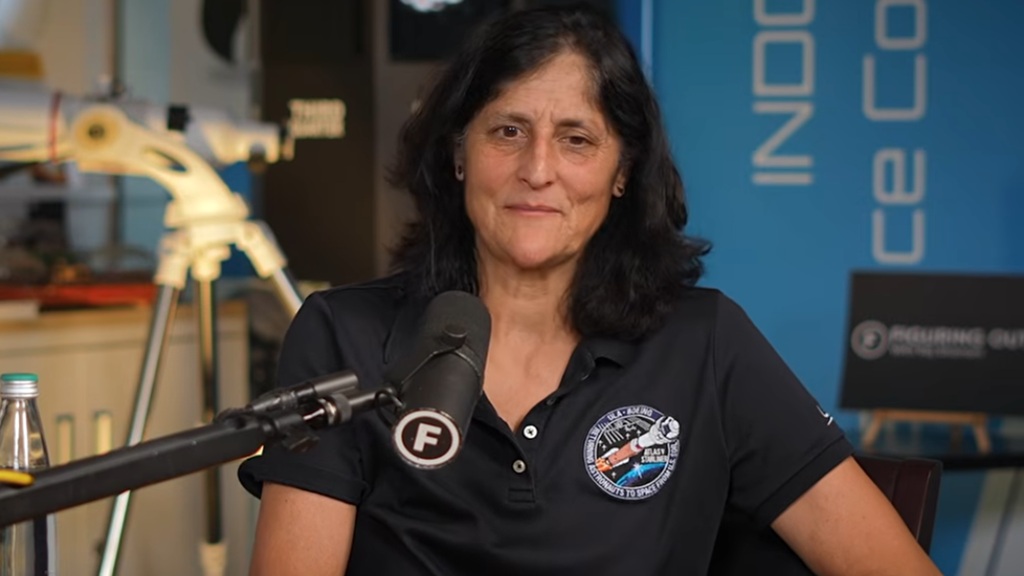
Indian American astronaut Sunita Williams retired from NASA effective Dec. 27, 2025, after a 27-year career, the agency announced this week, closing a chapter that ended with an unexpected nine-month stay aboard the International Space Station.
Her final mission, launched in June 2024 aboard Boeing’s Starliner capsule, was meant to last about a week but stretched into March 2025 after spacecraft problems delayed a safe return. Williams, the first astronaut of Indian descent to command the space station, leaves behind one of the most accomplished records in agency history.
Career spanning eras of human spaceflight
A former U.S. Navy pilot, Williams joined NASA in 1998 and quickly became known for her operational discipline and adaptability, qualities that later defined her long-duration missions in orbit. Her first space station flight came in 2006 aboard the space shuttle Discovery, placing her among a shrinking group of astronauts whose careers bridged NASA’s shuttle era and its transition to commercial crewed flight.
Williams went on to complete three missions to the space station over nearly two decades, steadily accumulating experience that positioned her for leadership roles. In 2012, she commanded Expedition 33, becoming the first astronaut of Indian descent to lead the orbiting laboratory, a milestone that remains central to her legacy.
Leadership, endurance and lasting impact
Across those missions, Williams logged 608 days in space, the second-longest cumulative total in NASA history, according to the agency. She also completed nine spacewalks totaling 62 hours and 6 minutes, the most by any female astronaut and the fourth-most overall.
NASA Administrator Jared Isaacman cited that record in a statement announcing her retirement, saying, “Suni Williams has been a trailblazer in human spaceflight, shaping the future of exploration through her leadership aboard the space station and paving the way for commercial missions to low Earth orbit.”
This story is part of The Rebel Yellow Newsletter — a bold weekly newsletter from the creators of NextShark, reclaiming our stories and celebrating Asian American voices.
Subscribe free to join the movement. If you love what we’re building, consider becoming a paid member — your support helps us grow our team, investigate impactful stories, and uplift our community.

Join the conversation+