



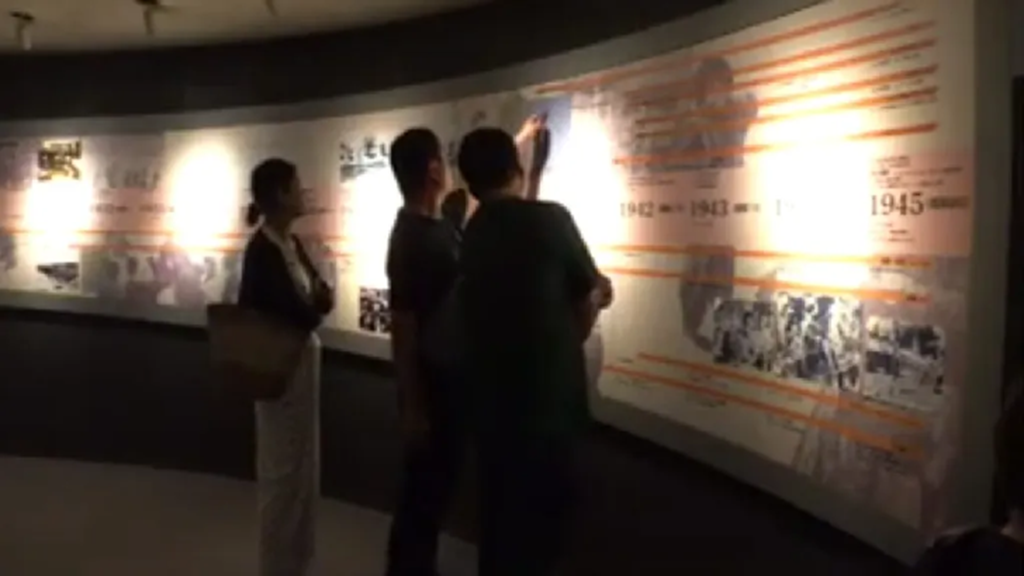
Advisers to the Nagasaki Atomic Bomb Museum have recommended replacing “Nanjing Massacre” with “Nanjing Incident” in a draft exhibit revision, drawing criticism over how one of Japan’s most prominent peace museums describes wartime atrocities committed by Japanese troops in China. The proposal surfaced during a broader review of museum displays and historical terminology.
While the draft would continue to describe Japan’s actions in China as an invasion and characterize its wartime conduct as aggression, opponents argue that changing the wording around Nanjing carries particular significance because of the term’s association with efforts to challenge or soften accounts of the massacre.
Proposed exhibit revision sparks criticism
The recommendation was included in a set of revisions released by the museum’s operations council, an advisory body responsible for reviewing exhibition content. Critics have focused on the Nanjing language because it touches one of the most contested subjects in Japan’s postwar historical discourse.
Founded in 1996, the Nagasaki Atomic Bomb Museum documents the Aug. 9, 1945, atomic bombing and serves as a center for peace education. School groups, international visitors and researchers regularly pass through its exhibits, giving the institution a prominent role in shaping public understanding of both Japan’s wartime experience and the broader consequences of armed conflict.
Opponents argue that terminology used in public museums carries weight beyond simple description, particularly when discussing events that remain the subject of political and historical debate across East Asia.
Why ‘Nanjing Incident’ remains contentious
Japanese forces captured Nanjing, then the capital of the Republic of China, on Dec. 13, 1937. During the weeks that followed, soldiers killed civilians and prisoners of war, committed widespread sexual violence and carried out other abuses that were later documented by survivors, foreign observers, journalists and military records.
Although historians continue to disagree over the precise number of victims, there is broad scholarly consensus that large-scale atrocities occurred during the occupation. China’s government has long maintained that about 300,000 people were killed, while postwar tribunals and academic studies have produced varying estimates.
“Nanjing Massacre” remains the dominant term in international scholarship, while “Nanjing Incident” has appeared in some Japanese historical writing. Critics note that the latter phrase has also been embraced by nationalist and revisionist groups that dispute established accounts of the atrocities, making its use especially sensitive in public institutions.
Controversy reflects broader history disputes
Arguments over wartime terminology have surfaced repeatedly in Japan over the past several decades. Textbook approvals, official statements on military aggression and debates surrounding the treatment of so-called comfort women have all generated disputes over how the country’s wartime actions should be presented to future generations.
Relations between Japan and its neighbors have frequently been shaped by those disagreements. For China in particular, the Nanjing Massacre remains one of the defining episodes of the Second Sino-Japanese War. Museums, memorials and annual commemorations continue to preserve accounts of the killings and their impact on survivors and descendants.
This story is part of The Rebel Yellow Newsletter — a bold newsletter from the creators of NextShark, reclaiming our stories and celebrating Asian American voices.
Subscribe free to join the movement. If you love what we’re building, consider becoming a paid member — your support helps us grow our team, investigate impactful stories, and uplift our community.

Join the conversation+