



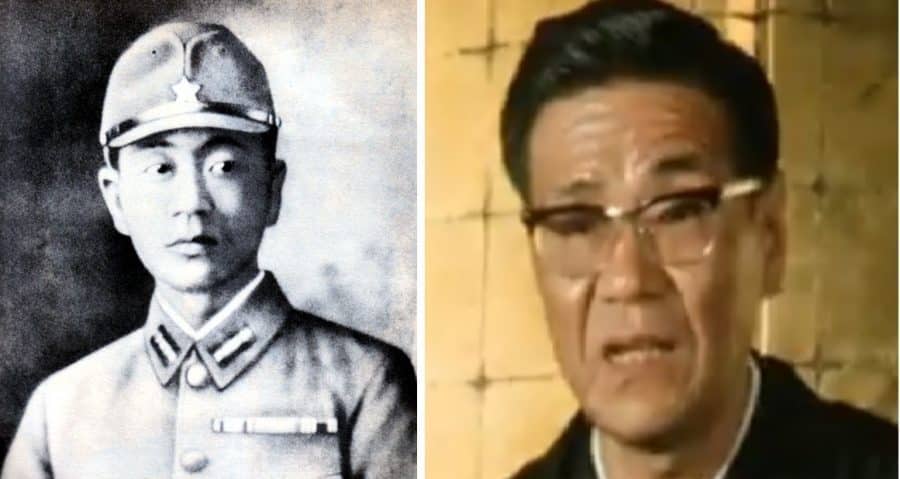
Shoichi Yokoi, former lance corporal in the Japanese Army during World War II, was discovered in 1972, hiding in the jungles of Guam in an underground shelter with the firm belief that his fellow soldiers would return for him one day.
Exactly 40 years ago, the solider was discovered in a panicked and physically-weakened state by two local hunters. Upon seeing other humans, Yokoi attempted to fight back, believing he was about to be taken as a prisoner of war. However, he was easily overpowered by the hunters due to his malnourished state and was escorted to authorities where he shortly discovered that the war had ended years ago.
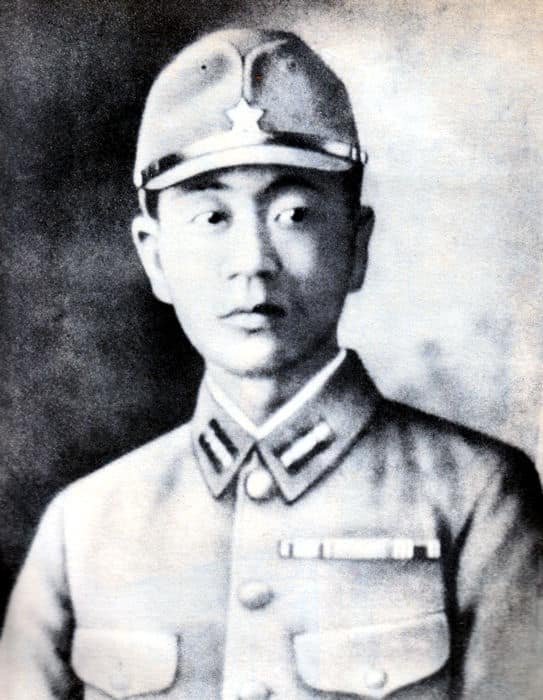
Yokoi, who was 26 when he was drafted into the army in 1941, was taught that surrender would bring great shame upon himself and his family, thought of as the worst possible fate for a Japanese soldier.
This belief is what drove him to flee into the jungle in 1944 when U.S. troops stormed Japanese-occupied Guam.
The soldier lived in the jungle for 27 years, several of those years in complete solitude, surviving on river eels, rats, frogs, fruits and nuts. Yokoi built his own shelter by digging a cave near a waterfall and covering its walls using bamboo and reeds for support. Prior to the war, he worked as a tailor, which equipped him with the skills that helped him survive in the wild, such as building shelter or making clothes.
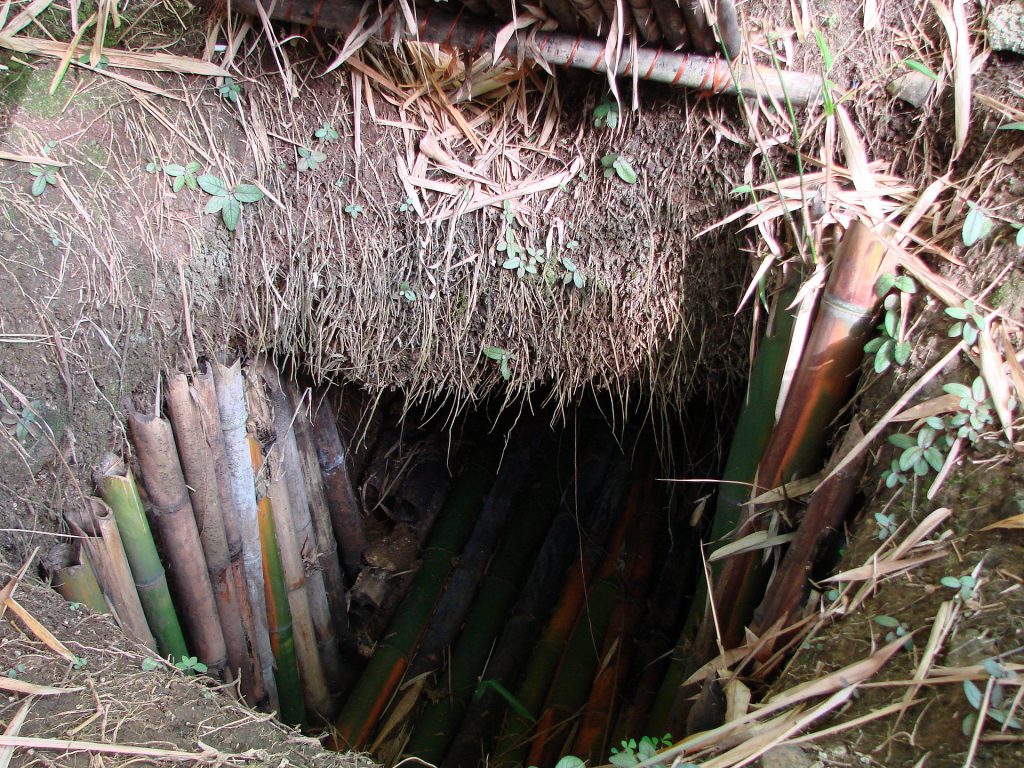
When Yokoi returned to Tokyo in February 1972, two weeks after being discovered, he was met with a hero’s welcome. However, the soldier admitted feeling embarrassed for returning home alive, believing it would have been more honorable to die serving the emperor.
He remarried within just months of returning to Japan and according to his nephew, Omi Hatashin, the soldier struggled to comfortably settle back into his modern life.
With age, Yokoi grew nostalgic and even returned to Guam several times with his wife before his death in 1997 at the age of 82.
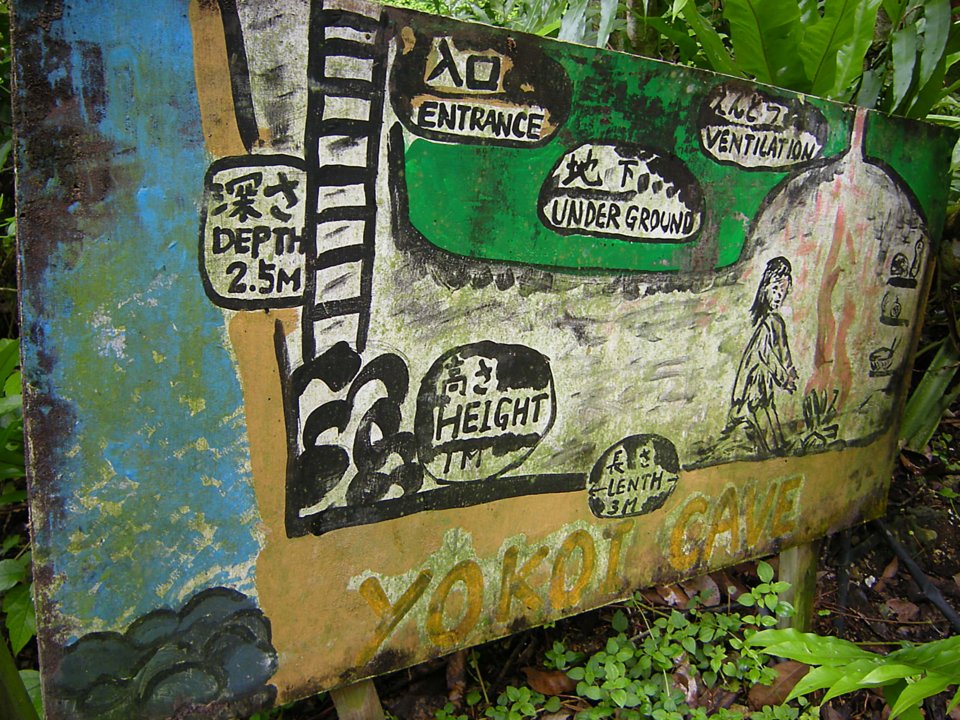
Although the original bamboo cave Yokoi lived in for nearly 28 years of his life has been destroyed in a typhoon, visitors can still visit the site where the shelter once stood. Some of the tools and traps he created during his years of hiding in the jungle are also on display in the Guam Museum in Hagåtña.

Join the conversation+