



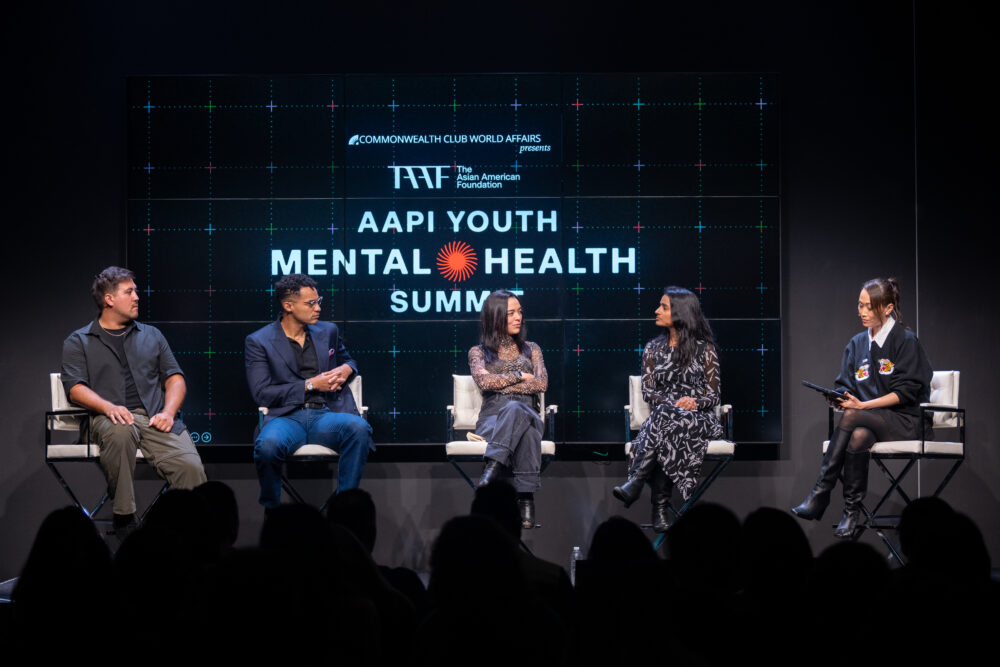
Last month, The Asian American Foundation (TAAF) held our first-ever AAPI Youth Mental Health Summit, where more than 200 leaders, practitioners, and young people gathered to raise awareness and share some of the inspiring work being done to support youth mental health and emotional well-being. At the event, handwritten messages of hope were sprawled across a community sharing wall: The world needs you exactly as you are. Stay curious and brave. Be kind to yourself. You are not alone.
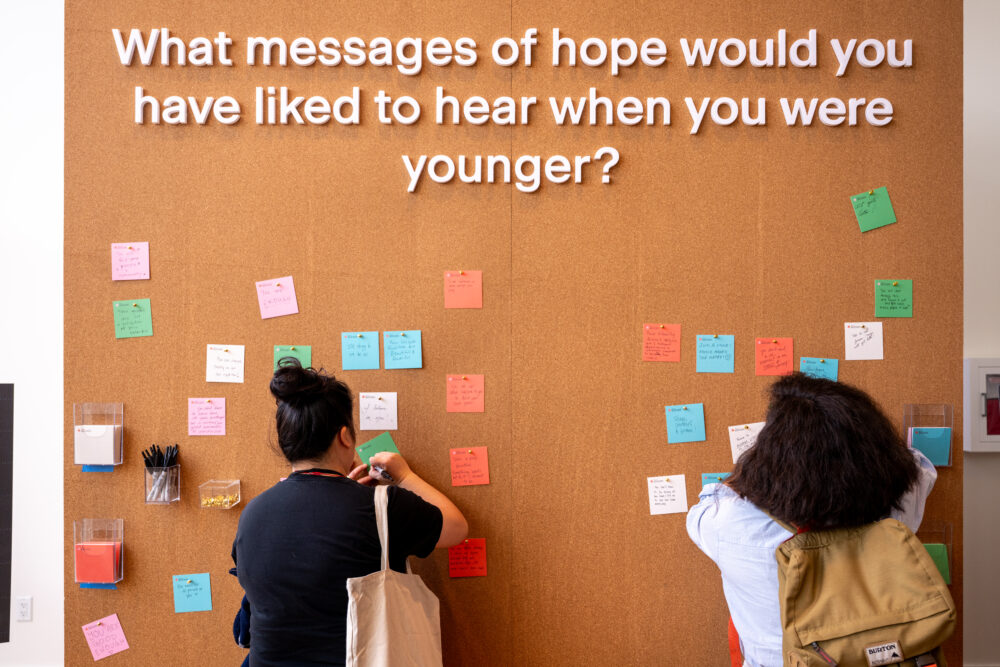
Many in our community would have appreciated hearing these words during their childhoods. According to TAAF’s annual STAATUS Index, AAPI youth have the lowest sense of belonging among all major groups in the U.S. Along with tremendous pressures from themselves and their families, these feelings have taken a devastating toll on their mental health. Federal health data shows suicide is the leading cause of death for Asian American young adults between the ages of 18–25. It is a crisis that rarely makes the headlines, but one that demands our urgent attention.
As CEO of TAAF, I strongly believe that youth mental health is critical to our community’s future. Last year, we released Beyond the Surface, one of the most comprehensive national studies ever conducted on the issue with over 1,400 AAPI youth respondents across the country. What it shows is alarming:
- 48% of AAPI young people in our survey scored above the threshold for moderate to severe depression
- 30% of respondents report saying they have planned or attempted suicide
- 26% of those at risk have never seen a mental health provider.
When we asked AAPI youth what affects their mental health most, the top cited stressor is pressure from themselves and their families to succeed academically, competitively, or professionally. And many young people avoid speaking with their parents about mental health issues, saying they do not want to worry or burden them.
For many AAPIs, especially those from immigrant families, we are familiar with the pressures and expectations placed upon us, as well as the challenges of trying to bridge the cultural gap with our parents. As a second-generation Chinese American growing up on the East Coast, I was very aware of being different from most of the other kids in my school. As a parent, I have also become keenly aware of the mental health challenges AAPI teenagers face today.
The decades ahead will be incalculably shaped by how we support our young people today. They are the next generation of leaders, innovators, and advocates, and we cannot fail them. That is why TAAF has invested in groundbreaking research and is now using our convening power to spark conversations around solutions.
Through our Youth Mental Health Summit came three key lessons:
First, we must confront reality, acknowledge our responsibility to reduce stigma around mental health, and look into breaking down some of our community’s most toxic expectations.
While digital platforms can often be filled with content that negatively impacts mental health, creatives like Midori Francis, Owin Pierson, and Ryan Alexander Holmes prove we can create spaces for healthy connections and honest discussions. Ultimately, it is on all of us to stem the cultural pressure, silence, and barriers that keep our young people from seeking out help, both online and offline.
Second, there are proven strategies to help reach AAPI youth where they are.
We heard from academics and experts from across the country who showcased parent-child conversation tools, peer support networks, boys’ and young men’s programs, expressive writing, and even culturally rooted activities like dragon boat racing. How we expand access to these activities and other mental health resources, as well as tackle the wider gap in funding and awareness around AAPI research, will ultimately make the difference for our children.
Finally, trusted voices like family members and friends are essential in starting much-needed conversations with young people.
Our Beyond the Surface study found 61% of AAPI youth feel they can turn to friends for support, and parents can also be a key resource. We should not underestimate the power to show up for the people in our lives, even if it means checking in or simply listening to someone in need.
AAPI youth do not have to face mental health struggles alone, and we each have a part to play to ensure they are supported as they navigate their identities. I left our summit confident that, together, we can build healing, let our youth know they are valued and belong, and build safety for generations to come.
Norman Chen is the chief executive officer of The Asian American Foundation. Prior to his appointment at TAAF, Chen co-founded the nonprofit Leading Asian Americans to Unite for Change (LAAUNCH) and helped to create a landmark study, the STAATUS Index, of American attitudes toward Asian Americans.

Join the conversation+