



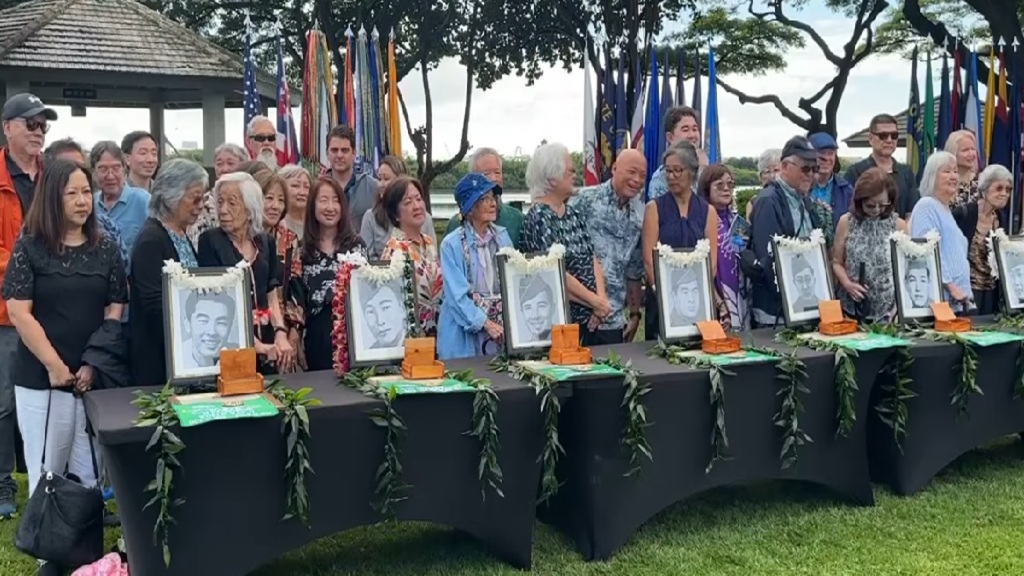
The U.S. Army posthumously promoted seven Japanese American World War II soldiers during a commissioning ceremony in Honolulu on Jan. 26, correcting a decision made more than eight decades earlier. Each man had completed most of the requirements for an officer commission through the University of Hawaii ROTC program before being dismissed following Pearl Harbor due to their ancestry. They later joined the 100th Infantry Battalion or the 442nd Regimental Combat Team and died in combat in Italy or France in 1944.
ROTC dismissal after Pearl Harbor
The men were among Japanese American students training as officers in Hawaii when Japan attacked Pearl Harbor on Dec. 7, 1941, triggering sweeping restrictions on people of Japanese ancestry. Although Hawaii officials initially allowed Japanese Americans to remain in uniform, the men were later removed from the Hawaii Territorial Guard and reclassified as enemy aliens, abruptly halting their paths to commissions. Military records show they had already completed substantial ROTC coursework and field training at the time of their dismissal.
Service and deaths overseas
After their removal from ROTC, the men volunteered again for military service once the Army began forming segregated Japanese American units. They were assigned to the 100th Infantry Battalion or the 442nd Regimental Combat Team and deployed to Europe, where both units fought in some of the war’s heaviest ground combat. All seven were killed in action in 1944, with most dying during the Italian campaign and one during fighting in eastern France, according to Army records.
Families witness long-delayed recognition
Relatives attended the Honolulu ceremony as each soldier was promoted to second lieutenant, the rank they would have received upon completing ROTC before the war. Todd Murata, nephew of Robert Murata, said the recognition carried lasting significance for his family, stating, “It’s an honor to be related to one of those people, those men, who volunteered for service. After all these years, people still remember them.” The promotions followed years of advocacy by descendants and military historians who sought formal acknowledgment of how racial policy derailed the men’s careers.
This story is part of The Rebel Yellow Newsletter — a bold weekly newsletter from the creators of NextShark, reclaiming our stories and celebrating Asian American voices.
Subscribe free to join the movement. If you love what we’re building, consider becoming a paid member — your support helps us grow our team, investigate impactful stories, and uplift our community.

Join the conversation+