



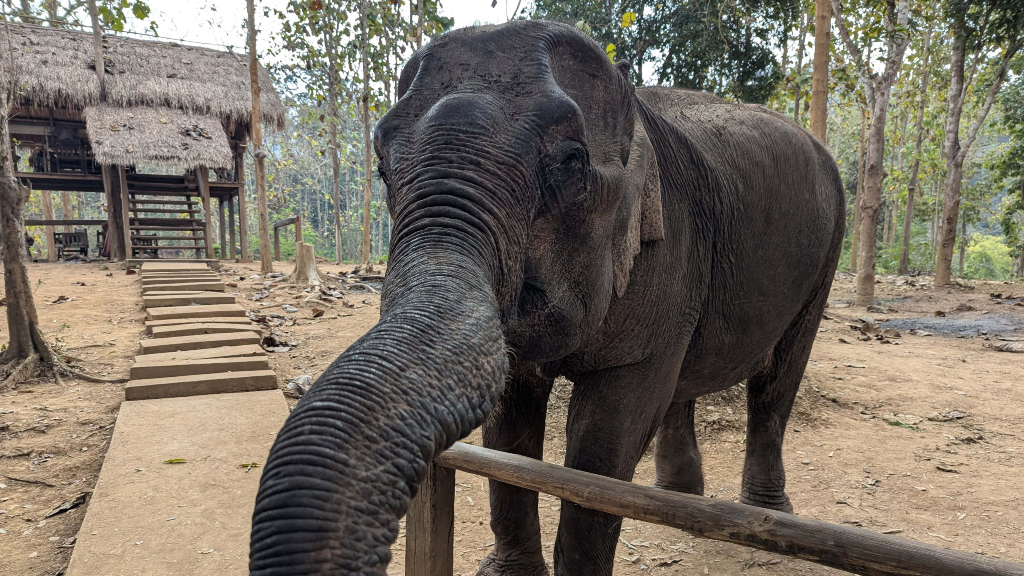
Indonesia has formally prohibited elephant riding across the country, issuing one of the most sweeping bans of its kind in Southeast Asia.
A win for animal rights: In an order issued late 2025, the country’s Ministry of Forestry directed conservation and tourist facilities to replace elephant rides with observation-based, ethical encounters. Venues that fail to comply risk having their operating permits revoked. The directive came after years of campaigning and undercover probing, including from PETA Asia whose investigators found elephants with open wounds and permanent scars, staff wielding bullhooks to force them into giving rides and at least one infant locked in a dark, off-limits enclosure.
Compliance in Bali was notably swift. Bali Zoo ended its elephant ride program on Jan. 1, 2026, and Mason Elephant Park, which houses 27 critically endangered Sumatran elephants, ended rides on Jan. 25 after receiving official warnings.
Why this matters: Unlike voluntary industry commitments, the ban is backed by genuine enforcement power. It also proves financially sustainable in Southeast Asia, where some venues have moved to observation-based programs years ago. Beyond economics, the decision carries particular symbolic weight as Indonesia is home to the critically endangered Sumatran elephant, making strong welfare protections especially consequential. More broadly, millions of international tourists pass through Bali each year, a scale that gives any policy shift the potential to reshape traveler expectations across the wider region.
Despite the progress, PETA cautions that some facilities continue to disguise exploitative practices behind labels like “sanctuary” or “conservation,” and that the broader work of reform is far from over.
This story is part of The Rebel Yellow Newsletter — a bold weekly newsletter from the creators of NextShark, reclaiming our stories and celebrating Asian American voices.
Subscribe free to join the movement. If you love what we’re building, consider becoming a paid member — your support helps us grow our team, investigate impactful stories, and uplift our community.

Join the conversation+