



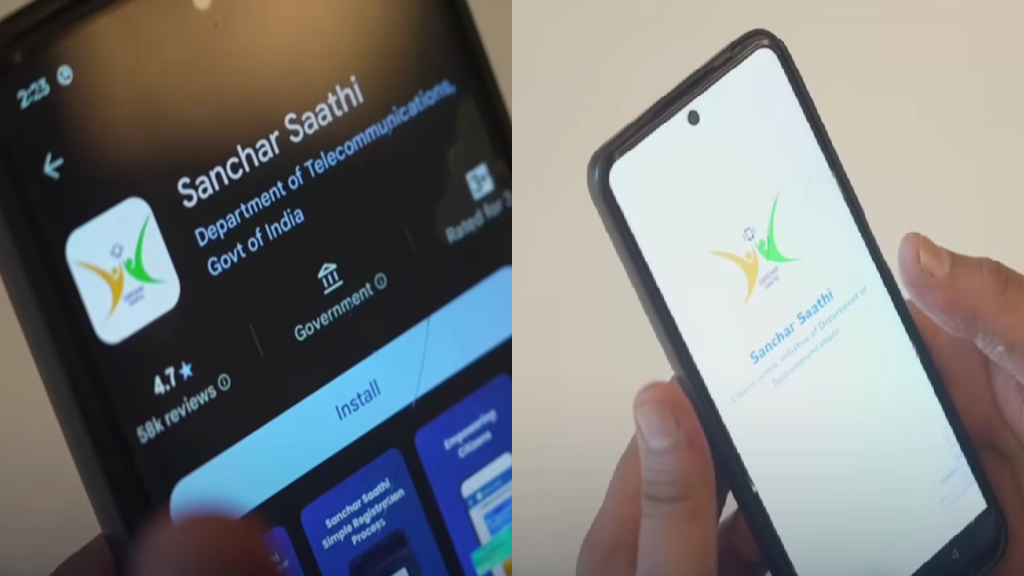
The Indian government withdrew an order on Wednesday that would have required every smartphone in the country to carry an app that critics said could expose users to expanded government access to device information. Called the Sanchar Saathi app, the platform was designed to block stolen phones, verify mobile connections and flag suspected fraud involving device identifiers. The initial directive, announced last week, instructed manufacturers to preload the app on new phones and push it to existing devices through software updates, preventing users from removing it.
Immediate pushback
Manufacturers questioned whether the app could be integrated without interfering with core operating systems because the directive suggested permissions that would allow the software to run at a system level. Industry representatives said such requirements conflicted with existing privacy and security assurances provided to users around the world. In response to the objections, the communications ministry announced, “Government has decided not to make the pre-installation mandatory for mobile manufacturers.”
Opposition lawmakers raised separate concerns about how user information might be handled if the app remained permanently installed. Congress leader Randeep Singh Surjewala said, “The grave, serious and real apprehension is also that such compulsorily installed app can have a backdoor, thereby absolutely compromising the data and privacy of the user.” Digital rights advocates noted that any mandate involving nonremovable government software would require clear limits on data retention, access and oversight.
What the U.S. can learn from this reversal
India’s decision to withdraw its mandatory smartphone app order shows how difficult it is for governments to expand technical access to personal devices without confronting resistance from industry and civil society. In the U.S., federal agencies continue to argue that strong encryption restricts lawful access to data, a position that has led to repeated calls for mechanisms that would allow retrieval of information under court order. A 2025 Congressional Research Service report notes that these proposals often conflict with operating system safeguards designed to prevent unauthorized data exposure.
National data policy has followed a similar trajectory. The Department of Justice introduced a rule in early 2025 limiting the transfer of users’ sensitive information to certain foreign governments, reflecting broader concerns about the security of location data and biometric identifiers. Civil liberties groups, citing existing surveillance authorities and the absence of a federal privacy law, have pointed to unresolved questions about how agencies request and handle digital records.
This story is part of The Rebel Yellow Newsletter — a bold weekly newsletter from the creators of NextShark, reclaiming our stories and celebrating Asian American voices.
Subscribe free to join the movement. If you love what we’re building, consider becoming a paid member — your support helps us grow our team, investigate impactful stories, and uplift our community.

Join the conversation+