



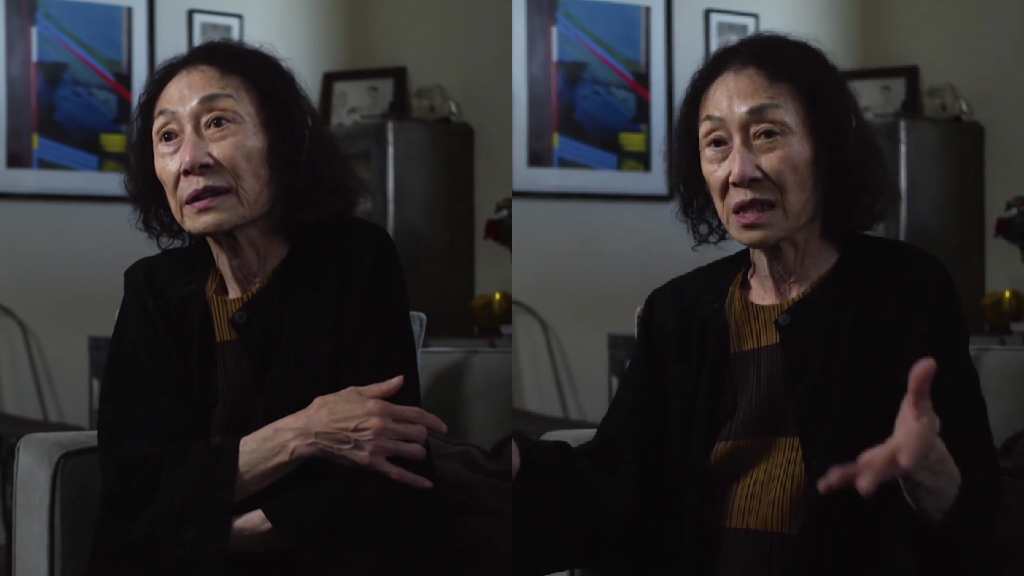
Christine Choy, the Oscar-nominated documentary filmmaker who helped force a national reckoning with anti-Asian violence, died Dec. 7 in New York City at 73. No cause of death was released. Her landmark 1987 film “Who Killed Vincent Chin?” became a defining work of Asian American cinema and a touchstone in civil rights history. Choy’s career spanned more than four decades of documenting power, race and resistance.
Building institutions for justice: Born in Shanghai in 1952, Choy immigrated to the U.S. as a teenager and later emerged as a key figure in socially engaged filmmaking. In 1972, she co-founded Third World Newsreel, a nonprofit film collective dedicated to documenting social justice movements and marginalized communities. She later co-founded Asian CineVision, helping establish one of the earliest platforms for Asian and Asian American filmmakers in New York. She also served as a longtime professor at New York University’s Tisch School of the Arts, where she mentored generations of filmmakers.
Early films confronting power: Before achieving national recognition, Choy directed a wide range of documentaries examining race, labor and U.S. history. Her films included “From Spikes to Spindles” (1976), which explored New York City’s Chinatown and Chinese immigration history, “Teach Our Children” (1982), focused on the Attica prison rebellion, and “Mississippi Triangle” (1983), which examined the complex relationships among Black, Chinese and white communities in the Mississippi Delta. These works helped establish her reputation as a fearless and politically engaged documentarian.
Lasting influence on cinema: “Who Killed Vincent Chin?,” co-directed by Renee Tajima-Peña, examined the 1982 killing of Vincent Chin, a Chinese American man beaten to death in Detroit by two white autoworkers amid anti-Japanese sentiment tied to the decline of the U.S. auto industry. The documentary earned an Academy Award nomination for best documentary feature and was inducted into the National Film Registry of the Library of Congress in 2021 for its cultural, historical and aesthetic significance.
This story is part of The Rebel Yellow Newsletter — a bold weekly newsletter from the creators of NextShark, reclaiming our stories and celebrating Asian American voices.
Subscribe free to join the movement. If you love what we’re building, consider becoming a paid member — your support helps us grow our team, investigate impactful stories, and uplift our community.

Join the conversation+