



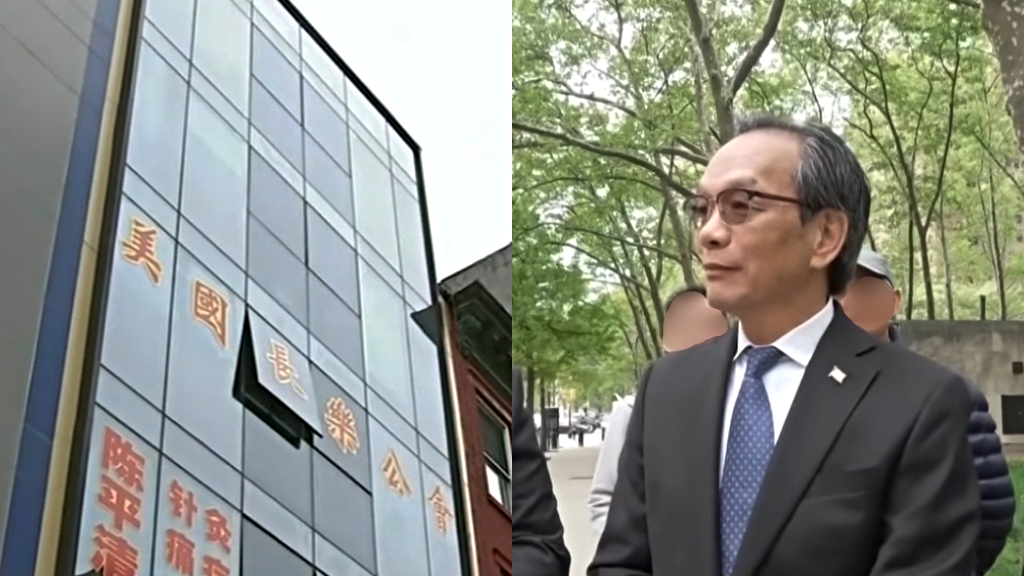
The Bronx man accused of running a secret Chinese police station in Manhattan’s Chinatown has been convicted of illegally serving as an agent of Beijing in federal court.
The verdict
Lu Jianwang, 64, a U.S. citizen also known as Harry Lu, was found guilty of acting as an illegal agent of the Chinese government and of obstruction of justice for deleting evidence on May 13. Jurors acquitted him of a related conspiracy charge after a one-week trial. He faces up to 10 years in prison on the foreign agent count and up to 20 years for obstruction.
The station opened in 2022 at the America ChangLe Association, a Fujianese community group that Lu led after China’s Ministry of Public Security launched a worldwide expansion of the outposts. Defense lawyer John Carman said Lu’s “motives were pure” and that he would appeal, arguing the office mostly helped diaspora members renew Chinese driver’s licenses without returning to China.
Campaign against dissidents
Prosecutors built their case in part on Xu Jie, a California dissident and former Tiananmen Square protester who testified that he was harassed after publicizing the station. Xu said the threatening calls reached 176 in a single day, his car was vandalized and intruders broke into his house and office.
The station was part of a wider network the Ministry of Public Security uses to monitor Chinese nationals abroad and pressure those it views as critics of Beijing, prosecutors said. A handler instructed Lu to locate a pro-democracy activist who had fled China for the U.S.
What this means
The conviction adds to a string of federal cases against alleged Chinese influence operations on U.S. soil. Co-defendant Chen Jinping pleaded guilty in December 2024 and awaits sentencing. Meanwhile, Arcadia Mayor Eileen Wang resigned May 11 and agreed to plead guilty to acting as an illegal Chinese agent in a separate case we reported last week.
The trend presents Chinese American communities with a double bind. The cases show how diaspora institutions can become flashpoints in U.S.-China tensions, and immigrants must be careful dealing with people from their home countries. Yet when a handful of people acting on Beijing’s orders are read as a measure of an entire community, the result can be the broad suspicion that has fed discrimination against Chinese Americans since the Exclusion Act era and, more recently, the first Trump administration’s China Initiative.
This story is part of The Rebel Yellow Newsletter — a bold newsletter from the creators of NextShark, reclaiming our stories and celebrating Asian American voices.
Subscribe free to join the movement. If you love what we’re building, consider becoming a paid member — your support helps us grow our team, investigate impactful stories, and uplift our community.

Join the conversation+