
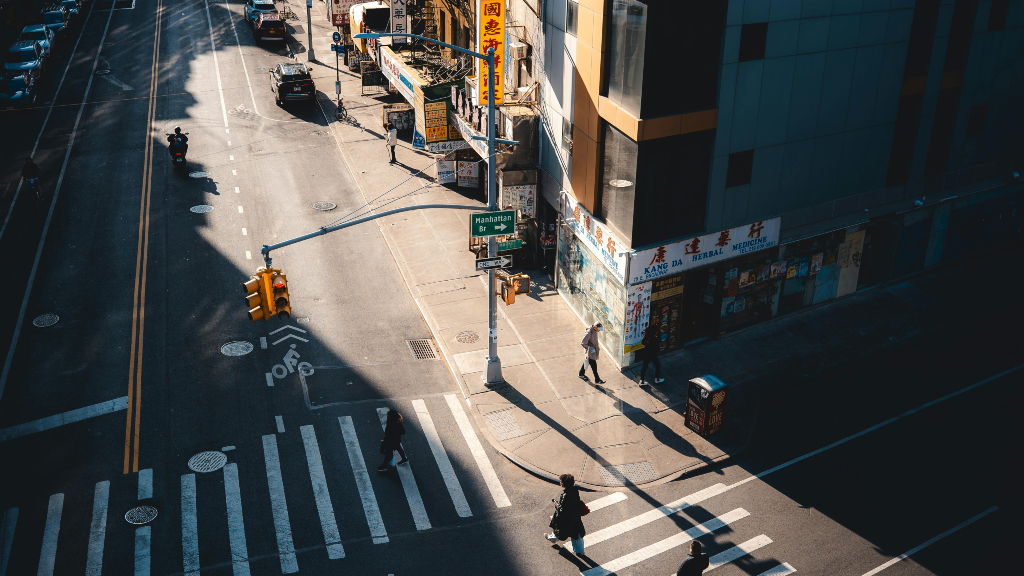
Manhattan’s Chinatown has lost more than 20% of its Asian residents over the past decade, nearly quadruple the previous decade’s displacement rate, as Boston and Philadelphia’s historic Asian enclaves face similar pressures from luxury development and demographic shifts, according to a recent report by the Asian American Legal Defense and Education Fund (AALDEF).
Key findings: The report, which was released Dec. 4, documents declining Asian population shares as non-Asian residents increased across all three neighborhoods. Manhattan’s Asian population fell from approximately 52,000 to 41,000 over the last decade, reducing their neighborhood share by 11 percentage points, while white and Black populations each grew 31%.
In Philadelphia, the white population jumped 77% even as the Asian population held steady near 2,400, shrinking the Asian share from 42% to 36%. Housing construction exceeded citywide averages in all three neighborhoods, with Boston adding 84% more units and median rent climbing 55% to $1,812. By 2020, housing cost burdens affected 47% of Manhattan households and 41% in Boston, both above citywide rates.
What we’re seeing: Multiple pressures now bear down on immigrant residents under the second Trump administration, from the threat of expanded ICE raids to reduced federal support. The challenges come just as Zohran Mamdani was sworn in as New York City’s first Muslim mayor on Jan. 1, bringing a progressive affordability agenda to City Hall. Philadelphia’s Chinatown Stitch project, designed to cap the Vine Street Expressway and reverse infrastructure damage, secured Biden administration funding but now faces uncertainty under Trump.
The commercial landscape reflects these demographic shifts as national chains doubled to 8% in Philadelphia, while non-Asian restaurants expanded from 15% to 38% of dining establishments. Manufacturing uses fell sharply in tandem, with Manhattan and Philadelphia each retaining fewer than 40 industrial properties after having more than 70 in 2013.
The big picture: AALDEF Executive Director Bethany Li warned that reshaping occurs “at a pace that threatens to erase the very communities that built them,” calling for community-centered planning that prioritizes existing residents. These neighborhoods serve as vital indicators of Asian immigrant wellbeing, their report emphasizes, providing healthcare access, culturally appropriate services and mutual support systems built across generations.
The pattern across all three cities reveals a common trajectory that as housing costs soar and Asian populations decline, Chinatowns risk becoming cultural museums. The data suggests that without aggressive zoning protections, they may follow the path of other historic ethnic enclaves that transformed into high-end residential districts, losing their function as immigrant gateways.
This story is part of The Rebel Yellow Newsletter — a bold weekly newsletter from the creators of NextShark, reclaiming our stories and celebrating Asian American voices.
Subscribe free to join the movement. If you love what we’re building, consider becoming a paid member — your support helps us grow our team, investigate impactful stories, and uplift our community.